Make an installation inventory
List wheels, tyres, steps, roof equipment, lighting, guards, tow hardware, electrical loads and cabin systems. Photograph mounts, wiring, control modules and labels.
CAPABILITY / FIELD NOTE 22

List wheels, tyres, steps, roof equipment, lighting, guards, tow hardware, electrical loads and cabin systems. Photograph mounts, wiring, control modules and labels.
Use vehicle-specific kerb, gross and axle limits. Add passengers, luggage, recovery gear, roof load and tow load where applicable. Volume does not prove legal or safe payload.
Check drilling, corrosion protection, sealing, cable routing, fuse protection, suspension geometry, sensor obstruction and tyre clearance. Ask for invoices and instructions.
Confirm cameras, radar, tyre monitoring, lighting, charging, 12-volt behaviour and fault logs after modification. A cosmetic accessory can interfere with sensors or cooling.
Ask whether protrusions, lighting, tyres, tow hardware or battery-connected equipment affect customs, registration, carrier acceptance or insurance. Remove unsuitable items before shipping with a documented condition record.
HANDOVER FILE
BUYER SCENARIO
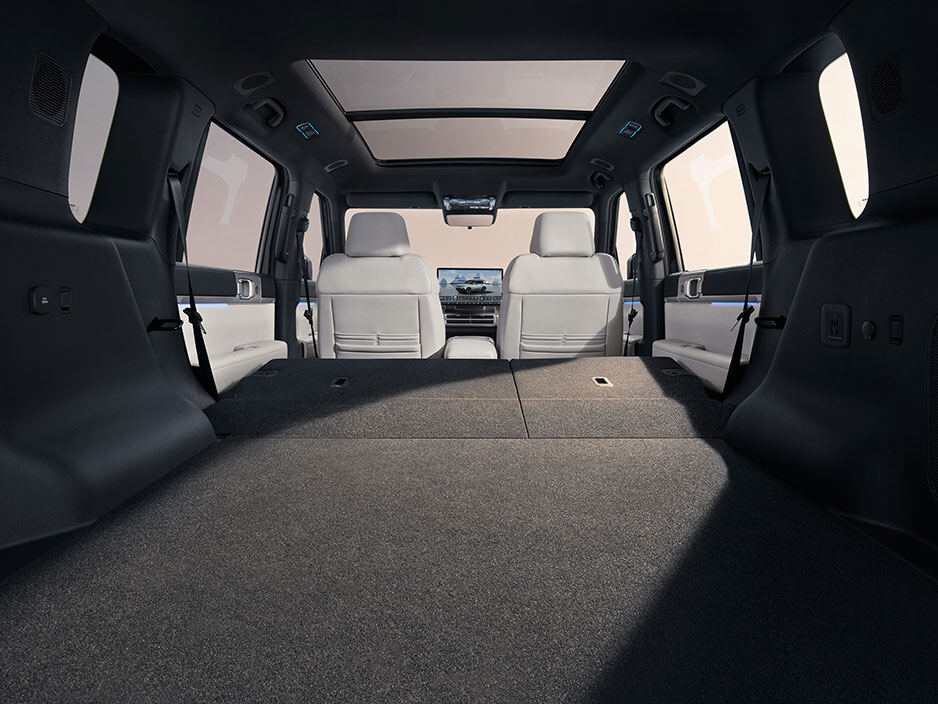
Build the loaded vehicle on paper before valuing an accessory package. Add passengers, luggage, roof equipment, recovery gear and any tow load to the correct mass and axle limits. Then inspect drilling, wiring, fuses, sensor clearance and tyre travel. An attractive installation that lacks records or overloads an axle should be costed as correction work, not as added value. Recheck alignment, warnings and road behaviour after any unsuitable equipment is removed. For supported external power, assess V2L camping equipment and loads. If luggage goes outside the cabin, check roof-carrier approval and parking clearance.
Stress the result by assuming “Inspect workmanship” reveals a conflict, “Check electronic interaction” is delayed, or “Resolve legal and shipping effects” changes before custody. Rework the cost, timing and stop condition using installation inspection, post-install diagnostic scan, destination and carrier acceptance. A different VIN, propulsion route or installed configuration starts a new candidate record. The conclusion for Tai 7 Accessories, Modifications and Load Plan must explain how complete accessory list and mass and axle worksheet support or limit the selected route.
CLOSE THE FILE
For Tai 7 Accessories, Modifications and Load Plan, reconcile complete accessory list, mass and axle worksheet, installation inspection, post-install diagnostic scan, destination and carrier acceptance. Mark each item verified, seller-stated, estimated or unresolved, and put a responsible person and expiry date beside the open work. Keep commercial rows separate so a change in one assumption does not silently rewrite the whole conclusion.
Immediately before payment or handover, repeat “Make an installation inventory” and confirm that the candidate still matches the reviewed record. Preserve the VIN, odometer, visible condition, keys, documents and relevant energy state. If the vehicle or a material specification changes, close this file and begin a new one.
OFFICIAL REFERENCE BOUNDARY
Fangchengbao may revise equipment, software and specifications. Match official information to the production record and actual installed hardware. Review the official Fangchengbao Tai 7 reference, then verify the candidate and destination independently.