Write a realistic passenger and restraint map
List the regular occupants, the restraints each child needs and the person who normally helps with boarding. Include occasional family journeys if they are important to the purchase. Identify which positions must remain available rather than counting every nominal seat as equally usable. The configuration check should confirm the actual cabin, not a seller's broad large-SUV description. Keep child-seat approval and local requirements separate from passenger comfort. A vehicle can feel roomy while offering an unsuitable combination of permitted restraint positions for your family.
Use the vehicle and child-seat instructions together
Establish the approved installation method for each intended position using both sets of instructions. Anchor locations, belt routing and permitted support or tether arrangements must be confirmed, not inferred from similar-looking hardware. Do not combine attachment methods or use accessories unless the restraint instructions allow them. Where the fit is unclear, seek a competent local child-restraint assessment. A diagram for another Fangchengbao model is not automatically applicable to Tai 7. The final arrangement should follow the actual vehicle and restraint, not a convenient arrangement selected before reading their limitations.
Bring the restraint and check ordinary adult access
Install the real restraint or arrange a professional fit demonstration with the car safely parked. Check buckle access, neighbouring occupants and the driver's normal seating position. Do not judge compatibility only from published seat widths. An adult may need to reach around a wide shell or through a narrow door opening, and that can affect daily usability without changing brochure dimensions. Avoid unapproved belt extenders, cushions or improvised spacers. If the fit is unsatisfactory, consider another approved restraint or a different vehicle rather than normalising a workaround.
Assess entry without assuming a higher body is easier
Let the intended passengers try boarding, with consent and appropriate assistance. Consider children, older adults and anyone with limited mobility, and examine how the vehicle parks beside walls or other cars. Running boards or other accessories, where fitted, need their own condition and load assessment. Use the accessory review before treating aftermarket steps as an unquestioned benefit. A large door in an open yard may feel quite different in a narrow home space. The test should reflect the parking conditions the family actually uses.
Load luggage without changing the approved seating plan
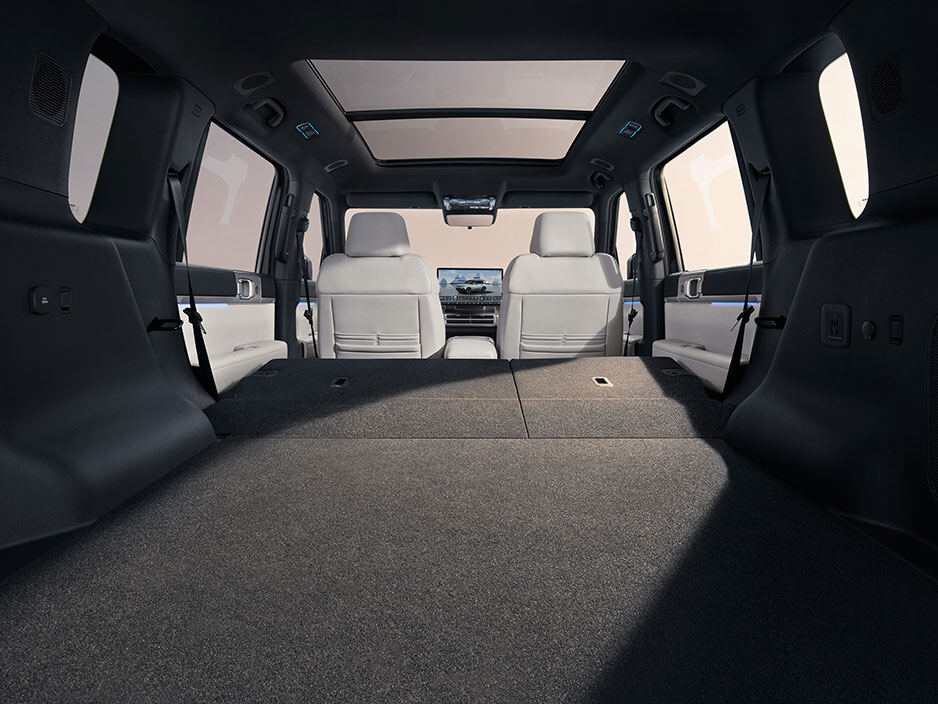
Place the stroller, bags and regular equipment in the cargo area while retaining every required passenger position. Secure items according to the applicable instructions and keep belts, exits and visibility clear. Do not fold a needed seat to demonstrate an impressive cargo space. If exterior luggage is necessary, assess the roof-carrier and clearance plan separately, including approval and total loading. The useful capacity is a safe repeatable arrangement, not the largest volume obtained with an empty cabin.
Check rear comfort in the conditions that matter
Assess rear airflow, heating or cooling where fitted, and access to normal controls without allowing convenience features to distract from restraint fit. Use the cabin thermal checks for a meaningful assessment rather than relying on cold air at the front vents. Consider window glare, headroom and the child's normal travel position. Do not stage hazardous road manoeuvres to test comfort. A safe ordinary journey, after the car is cleared for use, can reveal practical issues that an empty stationary demonstration misses.
Keep the tested arrangement tied to the delivered vehicle
Record which restraints and positions were assessed and whether any cabin component was modified. If the seller substitutes another vehicle or changes seats before shipment, repeat the relevant checks. Use the acceptance inspection to address belt, seat or warning concerns before family use. Do not describe a fit test as a guarantee of every future passenger arrangement. The final buying brief should identify the configurations that work and the limitations the buyer accepts, so convenience claims remain grounded in the actual cabin.
Buyer checklist
- Map the passengers and approved restraint positions.
- Test actual restraints rather than width figures alone.
- Include adult reach, parking access and luggage.
- Recheck after any vehicle or seat substitution.
Questions and answers
Does a wide rear bench guarantee three child seats fit?
No. Approved positions, restraint geometry, buckles and installation instructions determine the result. Test the exact combination with competent assistance where necessary.
Should aftermarket steps count as a family benefit?
Only after their fitment, condition and appropriate use are verified. Their presence does not automatically make entry safe or suitable for every passenger.
Reference information
Use the applicable market and year documentation for equipment and operating limits. The references have their own market and publication scope; they do not establish the condition, fitted equipment or destination approval of an individual vehicle.
Continue with the family space and cargo guide, or send your vehicle requirements.