USE / FIELD NOTE 07

Test Tai 7 space with the family and equipment actually carried

The Tai 7 is presented in China as a large five-seat SUV with a long cabin and extensive storage. Those claims become useful only when tested with actual passengers, restraints, luggage and accessory loads.
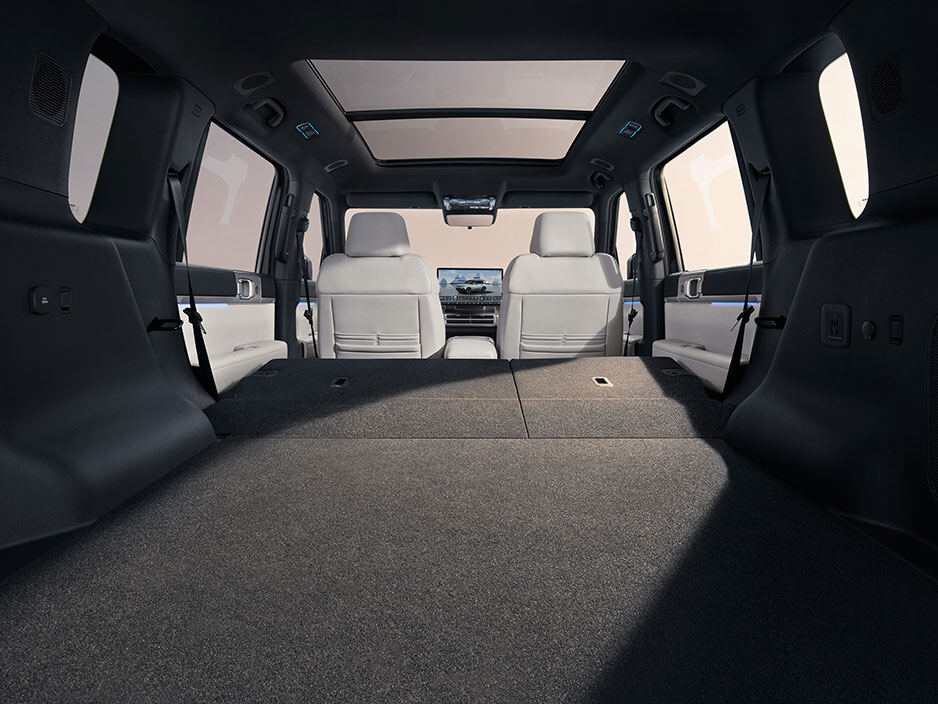
Fangchengbao Tai 7 cargo area with the rear seatbacks folded flat
Representative Tai 7 reference · confirm version and VIN
01CHECKPOINT

Build the occupant map

Record adult heights, child-seat type, mobility needs and the longest trip. Set the front seats first, then test rear knee room, headroom, belt access, door opening and restraint installation. Test the household’s actual child restraints and rear-bench access. If luggage goes outside the cabin, check roof-carrier approval and parking clearance.

Evidence recordpassenger and child-seat plan. Date it, identify the source, and state unresolved limits.
02CHECKPOINT

Use real luggage shapes

Measure suitcases, stroller, sports gear, tools or pet crate. Test the tailgate opening, floor length and height with all required seats in use. Volume figures do not show whether one rigid item will fit.

Evidence recordluggage measurements. Tie it to this VIN and describe the observed outcome.
03CHECKPOINT

Count distributed storage

Verify door bins, console spaces, seat-back mounts and the external rear compartment on the candidate. Decide what can be safely stored, what becomes a projectile, and what must remain accessible during travel.

Evidence recordcandidate equipment list. Name the test conditions, reviewer and remaining uncertainty.
04CHECKPOINT

Check climate and power

Test rear airflow, seat heating or ventilation where fitted, USB and 220-volt outlets, refrigerator operation and standby behaviour. China-market connected functions may not operate identically abroad.

Evidence recordpayload and axle data. Keep the original record and mark when it expires.
05CHECKPOINT

Respect mass and roof limits

Obtain the exact vehicle mass, occupant and cargo limits, axle limits and roof-system instructions. Accessories, a full cabin and roof cargo can consume the margin faster than luggage volume suggests.

Evidence recordloaded tyre-pressure requirement. Reconfirm it at custody and document any material change.

HANDOVER FILE

Evidence to retain before the decision closes

Keep only material that answers this route, exposes uncertainty or preserves condition at a custody change.
  1. passenger and child-seat plan
  2. luggage measurements
  3. candidate equipment list
  4. payload and axle data
  5. loaded tyre-pressure requirement

BUYER SCENARIO

Apply the evidence to a realistic operating case.

Load the stroller, three suitcases and child restraint that the family will actually use, then set both front seats for their normal occupants. Check rear access and luggage with the seats required for travel still available. Repeat the exercise with any refrigerator, roof box or sports equipment, because brochure volume cannot show whether rigid shapes, passengers and axle limits work together.

Stress the result by assuming “Count distributed storage” reveals a conflict, “Check climate and power” is delayed, or “Respect mass and roof limits” changes before custody. Rework the cost, timing and stop condition using candidate equipment list, payload and axle data, loaded tyre-pressure requirement. A different VIN, propulsion route or installed configuration starts a new candidate record. The conclusion for Fangchengbao Tai 7 Family Space and Cargo must explain how passenger and child-seat plan and luggage measurements support or limit the selected route.

CLOSE THE FILE

Make the result dated, conditional and transferable.

For Fangchengbao Tai 7 Family Space and Cargo, reconcile passenger and child-seat plan, luggage measurements, candidate equipment list, payload and axle data, loaded tyre-pressure requirement. Mark each item verified, seller-stated, estimated or unresolved, and put a responsible person and expiry date beside the open work. Keep commercial rows separate so a change in one assumption does not silently rewrite the whole conclusion.

Immediately before payment or handover, repeat “Build the occupant map” and confirm that the candidate still matches the reviewed record. Preserve the VIN, odometer, visible condition, keys, documents and relevant energy state. If the vehicle or a material specification changes, close this file and begin a new one.

OFFICIAL REFERENCE BOUNDARY

Use current China-market material as a reference, not vehicle proof.

Fangchengbao may revise equipment, software and specifications. Match official information to the production record and actual installed hardware. Review the official Fangchengbao Tai 7 reference, then verify the candidate and destination independently.

WhatsAppEmail