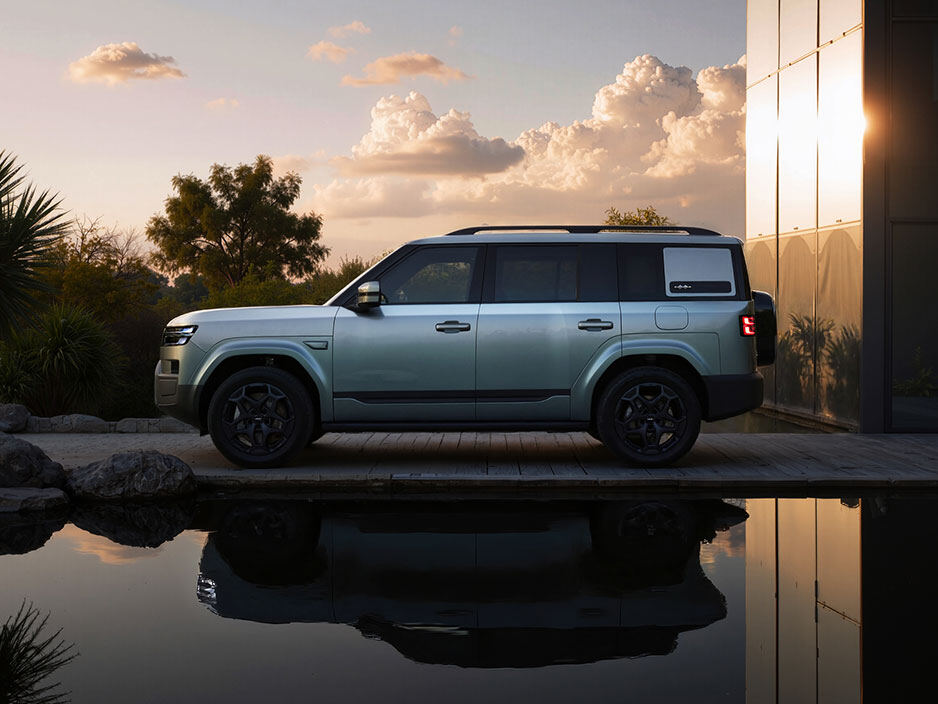
Write the trip that must work with everyone aboard
List regular passengers, restraints, bags, food storage and camping equipment for the journeys you actually repeat. Separate occasional specialist equipment from essential family items. The family-space and cargo guide supplies the broader mission; this purchase review asks whether the complete camping arrangement works without borrowing space from required occupied seats. Define what must remain accessible during stops and what can wait until arrival. A large folded-cabin image cannot answer that question. Bring representative equipment or reliable dimensions to a cabin trial, and keep the exact offered seating and fitted hardware attached to the result rather than testing another version in a showroom.
Test the occupied load within applicable limits
Keep required passengers or their approved seating arrangement in place while loading representative bags and equipment. Use the vehicle’s applicable instructions for loading, restraint and operating limits; seek qualified help where an arrangement is unclear. The child-seat and rear-bench review keeps restraint fit separate from a general seat-count claim. Check access, visibility and usable storage without assuming that everything fitting physically is an acceptable load. Do not invent a payload allowance from exterior dimensions or remove required seating simply to make the camping plan look workable. The trial should identify a supported repeatable arrangement and any equipment that must be left behind or carried another way.
Value external power only when the actual system supports it
Identify installed capability, legitimate equipment and applicable instructions before counting power for appliances as a purchase benefit. The V2L equipment review keeps connection and load scope explicit. List actual appliances, relevant demand and expected duration without assuming every Tai 7 version contains the same hardware. Do not improvise electrical adapters, bypass protection or rely on a seller’s demonstration with different equipment. Obtain qualified advice for consequential electrical questions. A successful short appliance session does not establish safe operation of every proposed combination or guaranteed overnight energy. Keep unknown compatibility outside the accepted camping package until suitable evidence resolves it.
Protect the next essential journey in the energy plan
Identify the offered PHEV or EV and keep its own supported travel options visible through the propulsion review. Plan travel to and from the site, arrival conditions, external-power use where supported and credible replenishment. Do not turn an EV plan into a PHEV fuel-backed case or guarantee a remaining driving distance after appliance use. Retain uncertain consumption as a labelled input, not proof of reserve. Consider a missed charging session or changed site access before valuing the camping benefit. Follow applicable vehicle instructions instead of inventing a universal minimum charge percentage. Essential family travel should not depend on an unsupported energy assumption disguised as leisure convenience.
Check access, roof equipment and ordinary parking
Review opening clearances, surface access, vehicle height with installed equipment and the route the owner will use. The roof-carrier review addresses practical limits when luggage is outside the cabin. Do not infer approved roof loading or terrain capability from an adventure photograph. Consider loading and unloading with passengers present, rain and the available parking area without unsafe demonstrations. A campsite reachable by a different modified vehicle is not automatically suitable for the offered Tai 7. Retain the operating and local access limits that matter. A useful camping purchase can be a simple supported family arrangement rather than the most elaborate roof or power build in a listing.
Compare the usable camping arrangement between real offers
Use actual candidates with accepted condition and the same family brief. Separate vehicle equipment, safely supported accessories, agreed preparation and optional purchases through the price guide. Do not value every used add-on at its new retail price or assume it improves resale. Record the tested load, power equipment, energy conditions and access limitations in the purchase equipment schedule. A substituted VIN or altered carrier requires an affected trial. Decide whether the offered arrangement meets the mission, needs a simpler load or should be replaced by another candidate. The purchase should remain credible without a perfect-weather photograph, unlimited appliance power or speculative future charging access.
DECISION CONDITIONS
Compare the accepted purchase routes
- Practical camping fit
- Approved occupied loading and supported energy access meet repeated family trips.
- Simplify the build
- Reduce accessories or equipment to retain essential space and supported limits.
- Conditional mission
- Resolve load, electrical compatibility or next-journey energy questions before commitment.
BUYER FILE
Evidence to retain
- Test real bags with required seats occupied.
- Follow applicable load and restraint instructions.
- Identify actual external-power equipment.
- Keep an essential return-journey energy plan.
- Verify access and the accepted accessory list.
QUESTIONS
Close the relevant uncertainty
Does a folded-seat photo establish camping space for a family?
No. Required occupied seating and actual luggage must be tested together.
Can every camping appliance be counted as a supported benefit?
No. Confirm installed capability, suitable equipment, applicable limits and qualified electrical advice where necessary.