VERIFY / FIELD NOTE 28

Inspect Tai 7 Suspension, Steering and Wheel Bearings

Tai 7 versions combine substantial mass, large tyres and different driven-axle or suspension equipment. A quiet parking-area demonstration cannot represent rough-road control, highway noise or loaded family use. Map every symptom by speed, steering angle, surface, braking and propulsion state before assigning a cause.
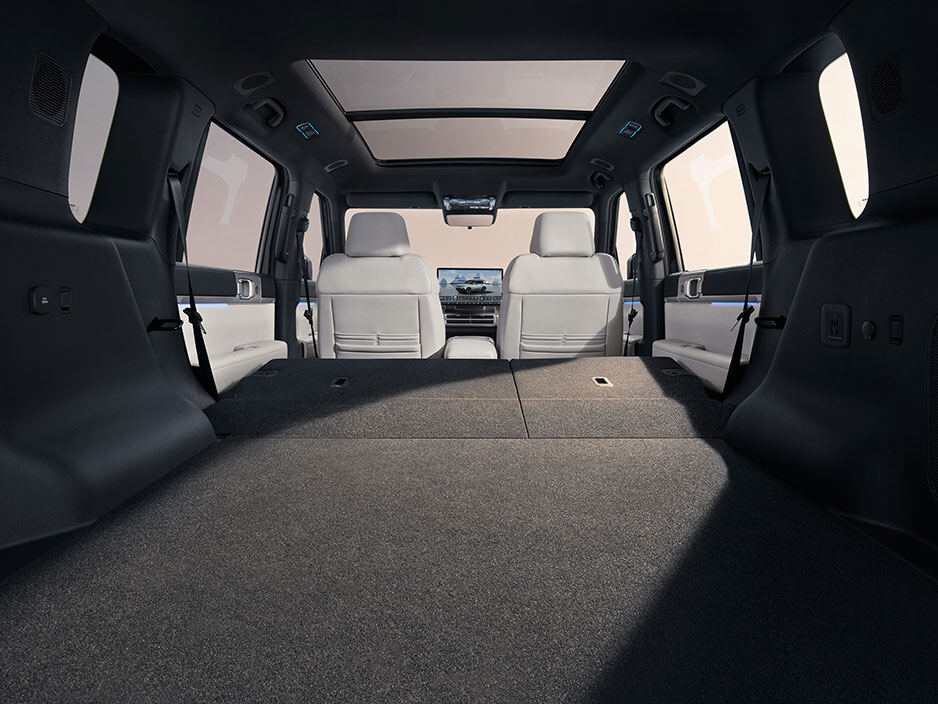
Fangchengbao Tai 7 cargo area with the rear seatbacks folded flat
Representative Tai 7 reference · confirm version and VIN

CONNECTED DECISIONS

Carry this evidence into the next relevant route.

Begin with the complete Tai 7 inspection. Connect four-corner symptoms to the braking and regeneration road test. Price destination repairs through the maintenance and parts plan.

01CHECKPOINT

Set a static safety gate

Record tyre sizes and pressures, ride height, wheel damage, leaks, boots, bushes, joints, springs, dampers, mounts and accessible underbody points. Unsafe looseness, impact damage or fluid loss stops the road test and moves the candidate to qualified diagnosis.

Evidence recordfour-corner tyre and ride-height record. Date it, identify the source, and state unresolved limits.
02CHECKPOINT

Preserve alignment evidence

Compare steering-wheel position, four-corner wear and ride-height observations with a dated alignment report where justified. The report must identify the vehicle, tyre condition and whether measurements are before or after corrective work.

Evidence recordsteering, joint and damper inspection. Tie it to this VIN and describe the observed outcome.
03CHECKPOINT

Run a controlled road sequence

Use safe legal conditions for parking turns, low-speed uneven surfaces, steady speeds, light acceleration, lift-off and progressive braking. Record load, drive mode, temperature and road surface with each knock, pull, vibration or steering change.

Evidence recordalignment measurements where applicable. Name the test conditions, reviewer and remaining uncertainty.
04CHECKPOINT

Separate bearing, tyre and driveline noise

Change surface, speed and gentle steering load where safe. Rotation-related sound can arise from tread pattern, rim, brake, hub or bearing, while torque-related sound can involve shafts or drive units. Confirm with physical inspection rather than a cabin recording alone.

Evidence recordconditioned road-test symptom map. Keep the original record and mark when it expires.
05CHECKPOINT

Repeat the accepted repair

Name the diagnosed cause, parts, workshop and alignment or calibration work. Repeat the same route condition and post-drive inspection; an invoice or quieter test on a different road does not close the original symptom.

Evidence recordrepair record and comparable retest. Reconfirm it at custody and document any material change.

HANDOVER FILE

Evidence to retain before the decision closes

Keep only material that answers this route, exposes uncertainty or preserves condition at a custody change.
  1. four-corner tyre and ride-height record
  2. steering, joint and damper inspection
  3. alignment measurements where applicable
  4. conditioned road-test symptom map
  5. repair record and comparable retest

BUYER SCENARIO

Apply the evidence to a realistic operating case.

Compare a lightly used urban candidate with an off-road-presented vehicle on the same controlled route. Add passengers or representative load only within safe limits, then compare ride height, steering return, noise and post-drive heat or leakage. Capability marketing does not prove that prior terrain use left the chassis undamaged.

Stress the result by assuming “Run a controlled road sequence” reveals a conflict, “Separate bearing, tyre and driveline noise” is delayed, or “Repeat the accepted repair” changes before custody. Rework the cost, timing and stop condition using alignment measurements where applicable, conditioned road-test symptom map, repair record and comparable retest. A different VIN, propulsion route or installed configuration starts a new candidate record. The conclusion for Tai 7 Suspension, Steering and Wheel-Bearing Checks must explain how four-corner tyre and ride-height record and steering, joint and damper inspection support or limit the selected route.

CLOSE THE FILE

Make the result dated, conditional and transferable.

For Tai 7 Suspension, Steering and Wheel-Bearing Checks, reconcile four-corner tyre and ride-height record, steering, joint and damper inspection, alignment measurements where applicable, conditioned road-test symptom map, repair record and comparable retest. Mark each item verified, seller-stated, estimated or unresolved, and put a responsible person and expiry date beside the open work. Keep commercial rows separate so a change in one assumption does not silently rewrite the whole conclusion.

Immediately before payment or handover, repeat “Set a static safety gate” and confirm that the candidate still matches the reviewed record. Preserve the VIN, odometer, visible condition, keys, documents and relevant energy state. If the vehicle or a material specification changes, close this file and begin a new one.
OFFICIAL REFERENCE BOUNDARY

Use current China-market material as a reference, not vehicle proof.

Fangchengbao may revise equipment, software and specifications. Match official information to the production record and actual installed hardware. Review the official Fangchengbao Tai 7 reference, then verify the candidate and destination independently.

BUYER QUESTIONS

Questions to close before approval

Can uneven tyre wear prove bad alignment?

It justifies further checks but does not identify the cause by itself.

Does noise in a turn always prove a wheel bearing fault?

No. Tyres, brakes, wheels, shafts and bearings must be separated with physical evidence.

What closes a suspension concern?

A named cause, accepted repair and comparable VIN-linked retest with safe road behavior.

WhatsAppEmail