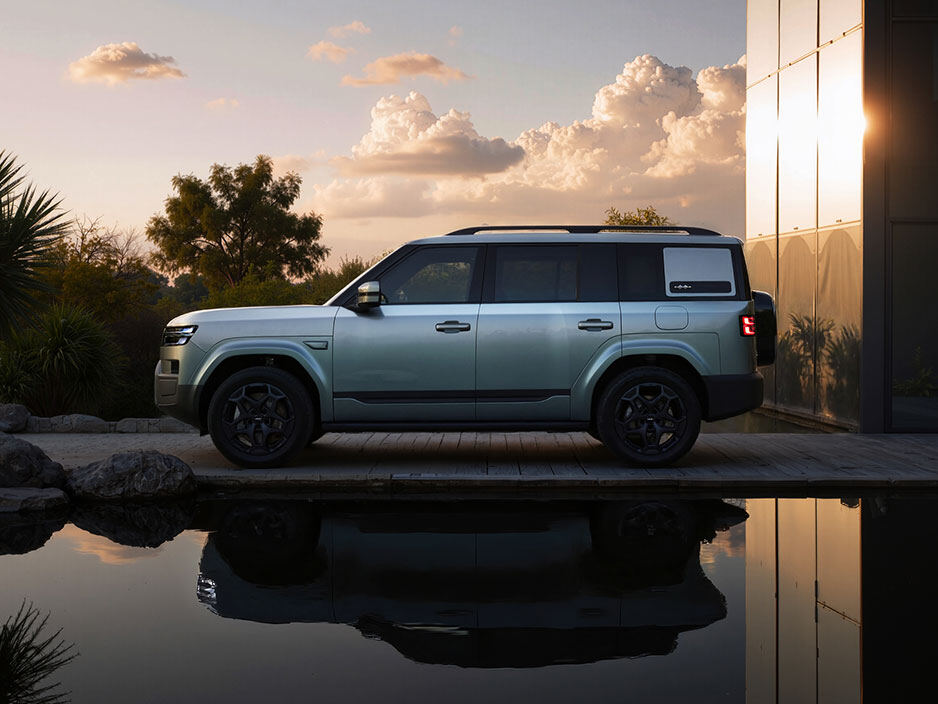
Define the traction need that actually repeats
Write the routes where additional driven-axle capability could matter, including access surfaces, gradients, weather and the passenger or equipment load. Separate repeated requirements from a rare trip that has a different practical solution. The driven-axle guide covers the broader hardware choice; this review asks whether the extra expenditure serves this particular owner. Do not describe four-wheel drive as universal protection against poor tyres or unsafe driving. If maintained urban roads dominate the ordinary routine, require a specific benefit before adding a premium. A vehicle that looks ready for difficult terrain does not establish that the owner needs or can support its installed system.
Compare genuine configurations, not two listing badges
Collect production records, original version wording and applicable installed-system evidence for both candidates. The VIN and model-code review keeps a propulsion or driven-axle claim tied to an actual car. Do not assume every PHEV or EV listing offers the same drivetrain choices, or assign a published configuration to a different production version. Retain translated sales wording separately from confirmed identifiers. Match essential equipment and present condition before calling the whole price difference a four-wheel-drive premium. An unexamined cheaper vehicle with another battery, market or preparation scope is not an equivalent baseline simply because both advertisements say Tai 7.
Keep tyres, clearance and current findings beside the capability
Ask an appropriate examiner to review relevant drive-system operation and diagnostic scope, tyre identity, brakes, underbody and disclosed alterations. Use the rough-use underbody review when that history is part of the offer. Tyre suitability and the driver’s operating limits remain important even with additional driven hardware. Do not stage unsafe traction demonstrations or infer condition from a dashboard animation. Keep inaccessible areas and intermittent symptoms visible as examination limits. A quoted capability does not establish the selected vehicle’s present condition, and a fitted accessory cannot automatically increase an approved load or turn an ordinary family SUV into an unrestricted terrain vehicle.
Confirm who can support the exact fitted system
Ask actual receiving providers about diagnosis, applicable component identification and the work they can undertake for the offered version. The service and parts plan distinguishes a routine service facility from support for particular driven hardware and high-voltage systems. Record usable locations, exclusions and uncertain lead times. A workshop familiar with a different BYD-related vehicle does not automatically support this Tai 7. Keep any seller or manufacturer commitment in its applicable written scope rather than assuming export coverage. A useful route benefit can become poor purchase value when the extra installed system cannot be examined or repaired where the owner will use it.
Price the accepted prepared difference
Use two current offers on the price-guide boundary, with equivalent current inspection and the same required family task. Record included correction, missing items and relevant tyre expenditure once. Separate comfort equipment from the drivetrain argument. The three-year ownership worksheet can test labelled operating and disposal assumptions without guaranteeing recovery of a premium. Do not invent a fixed consumption penalty or standard resale uplift for four-wheel drive. The lower ask and higher ask become meaningful only after the buyer can explain why each candidate is acceptable and which repeated benefit the extra expenditure obtains. An unsupported future resale claim should not carry the decision.
Keep the premium reason in the accepted file
Record actual driven hardware, applicable current findings, tyre scope, usable receiving support and the repeated route benefit in the purchase equipment schedule. State whether that benefit justifies the prepared difference or whether a supported simpler offer already meets the task. A substituted VIN or material alteration requires renewed review, not transfer of the same marketing argument. If work affects the system, retain appropriate affected verification before handover. The conclusion should remain convincing after removal of speculative resale and dramatic off-road demonstrations. It can support the premium, favour another configuration or remain conditional; none of those outcomes establishes universal superiority for every Tai 7 owner.
DECISION CONDITIONS
Compare the accepted purchase routes
- Useful premium
- Verified capability improves repeated supported access needs with appropriate tyres and accepted condition.
- Adequate alternative
- A supported simpler offer meets the actual route and load task.
- Conditional
- Resolve installed identity, consequential findings or receiving-support gaps before commitment.
BUYER FILE
Evidence to retain
- Define repeated access surfaces and loads.
- Verify actual propulsion and driven hardware.
- Keep tyres and underbody findings visible.
- Confirm usable receiving diagnosis and parts.
- Write why the prepared difference is justified.
QUESTIONS
Close the relevant uncertainty
Does four-wheel drive remove the need for suitable tyres?
No. Appropriate tyres, operating limits and safe driving remain essential.
Should every buyer pay for the higher driven-axle specification?
No. Its useful benefit, present condition, support and prepared premium must fit the buyer’s actual task.